Occult Philosophy
Physics in the 17th Century

As the autumn sky fades into the evening, I find myself contemplating the quiet magic of the stars, a fitting moment perhaps to share a book I’ve been reading on the mysteries of magic.
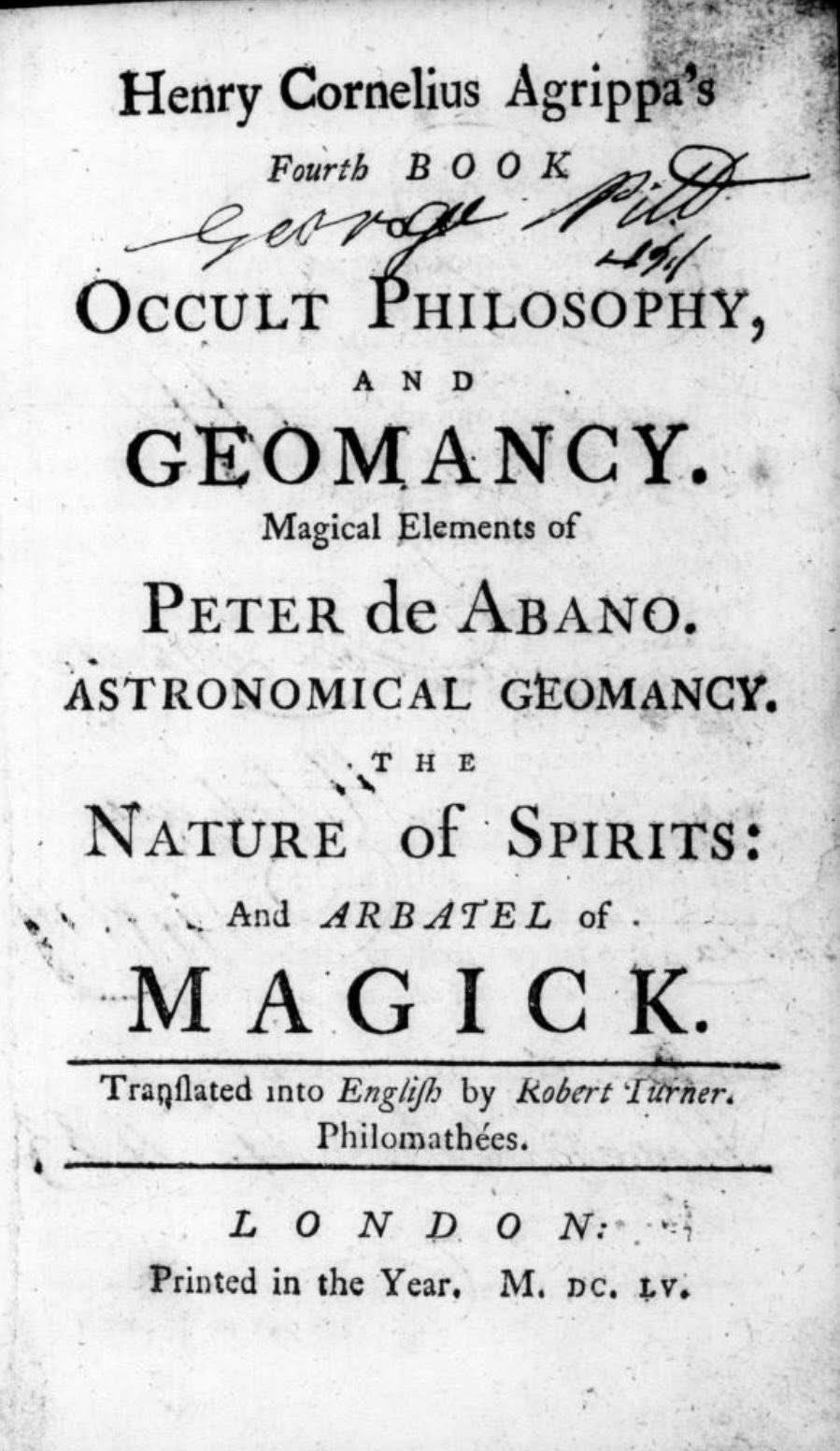
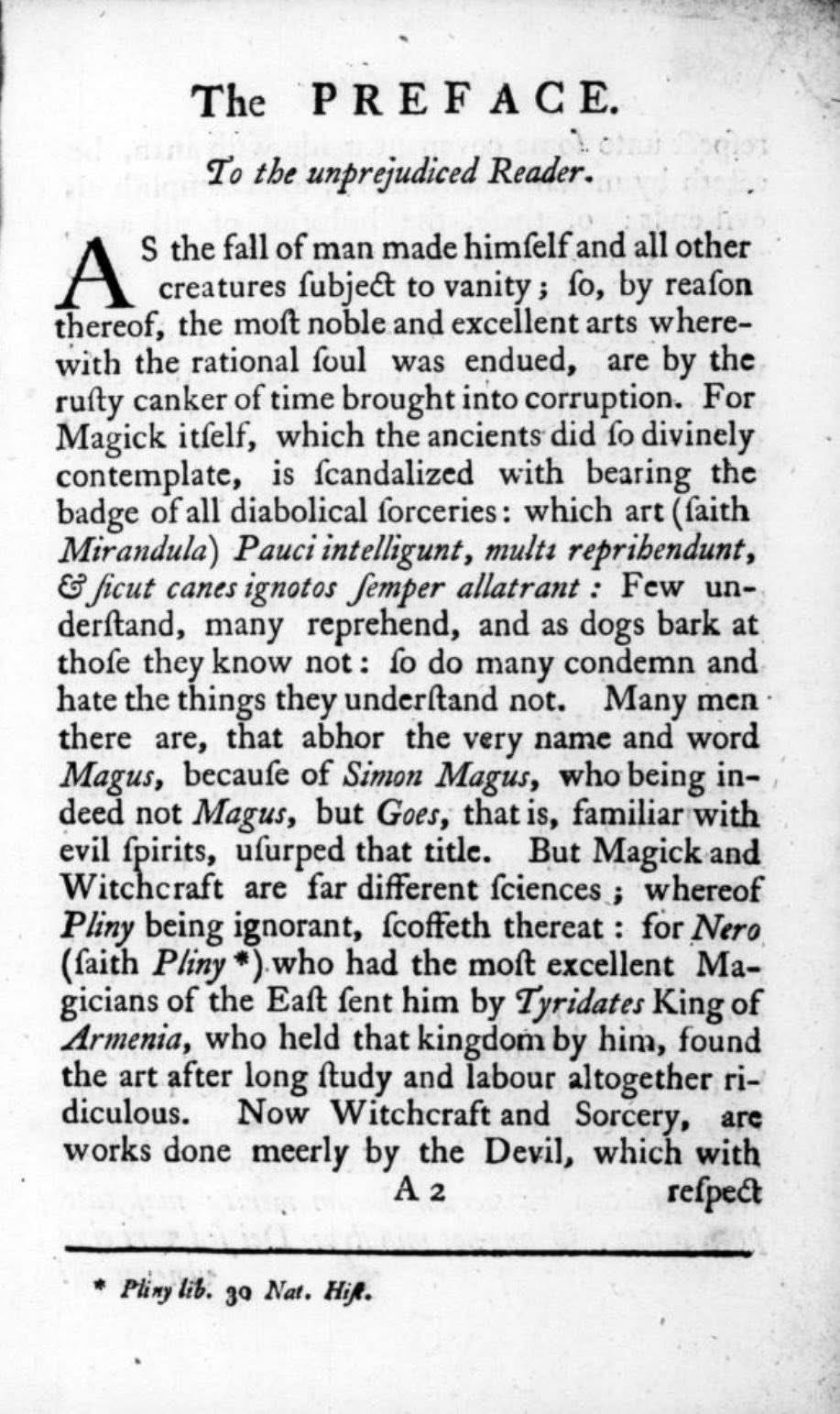
In 1655, London printers released a strange and ambitious volume: “Henry Cornelius Agrippa’s Fourth Book on Occult Philosophy and Geomancy”. Inside its preface, the translator, Robert Turner, speaks not of fantasy but of a science, an art of divine knowledge that once guided kings, priests, and philosophers.
“Few understand, many reprehend, and as dogs bark at those they know not, so do many condemn and hate the things they understand not.”
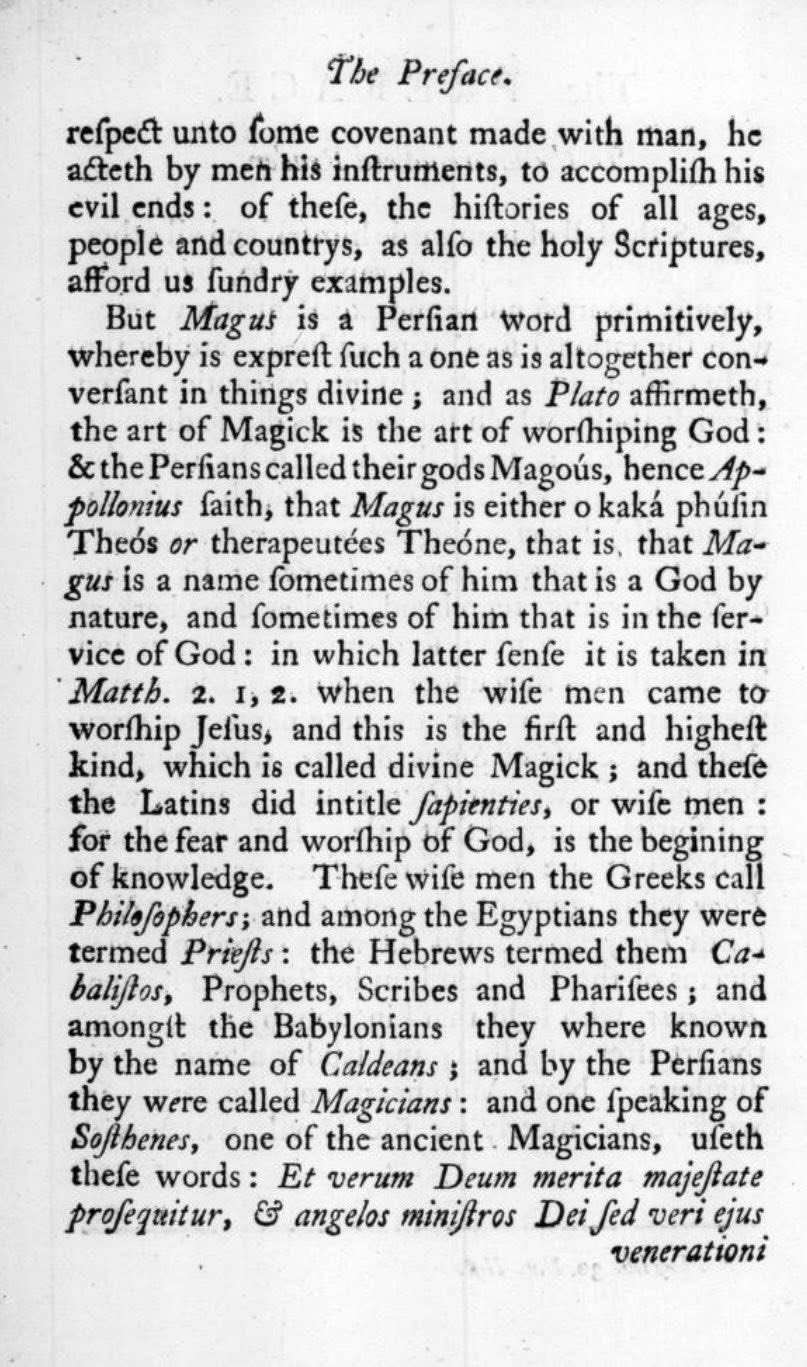
To Turner and his sources, Magic was not mere trickery. It was the art of worshipping God, a discipline of the wise, practiced by Persians, Chaldeans, Egyptian priests, Hebrew prophets, and even the Magi of the Gospel of Matthew. The word Magus itself meant one “conversant in things divine”, a seeker of the hidden laws behind nature.
In the 17th century, this was not entertainment or “New Age fluff.” It was serious intellectual territory, printed in the heart of London, debated by scholars, feared by authorities, and believed to unlock the very architecture of the cosmos.
Today, we’re taught to file all of this under myth. But when Turner wrote these words, the boundary between science, religion, and magic had not yet hardened. For them, the universe itself was alive, and Magic was its grammar.
In Agrippa’s time, Magic was real, not trickery, not superstition, but a disciplined study of the invisible forces shaping the cosmos. The Magus was someone conversant with divine laws, tracing patterns in stars, numbers, and spirits to understand the hidden architecture of reality.
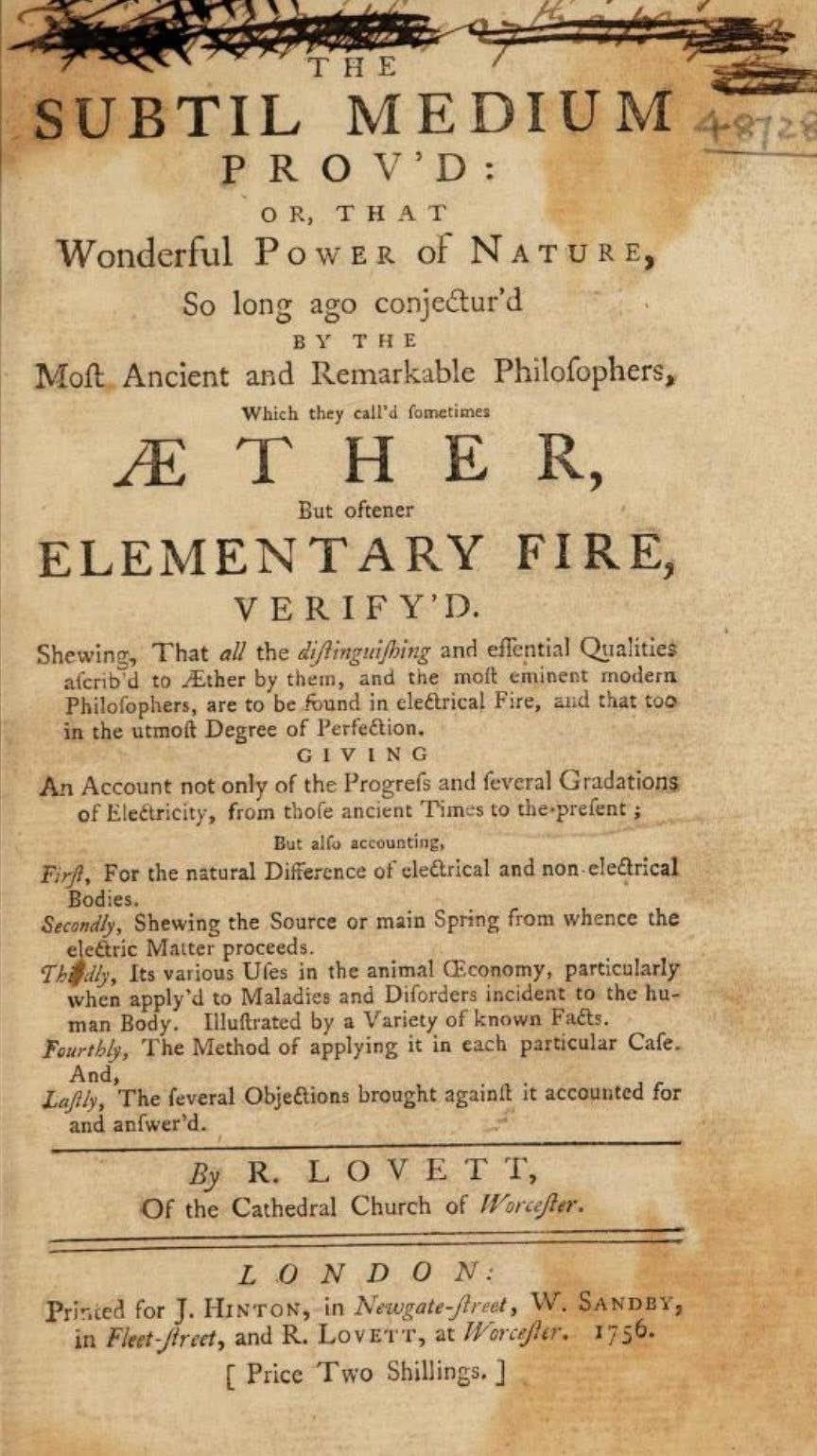
Natural philosophers described Æther, the subtle, omnipresent medium filling space, carrying light, motion, and influence. It is almost identical to what the Magus sought to work with, the unseen, vital substance connecting everything in the universe. Where Agrippa called it divine force, more modern thinkers called it a physical medium, but both recognized it as the channel through which all influence flows.
At the same time, the Monad offered a philosophical mirror. This “One” was the origin of all multiplicity, the singular source from which numbers, forms, and life itself unfold. Magic aimed to return multiplicity to unity, to act in harmony with the Monad. The Monad is, in essence, the divine spark the Magus converses with, the underlying principle that animates both matter and spirit.
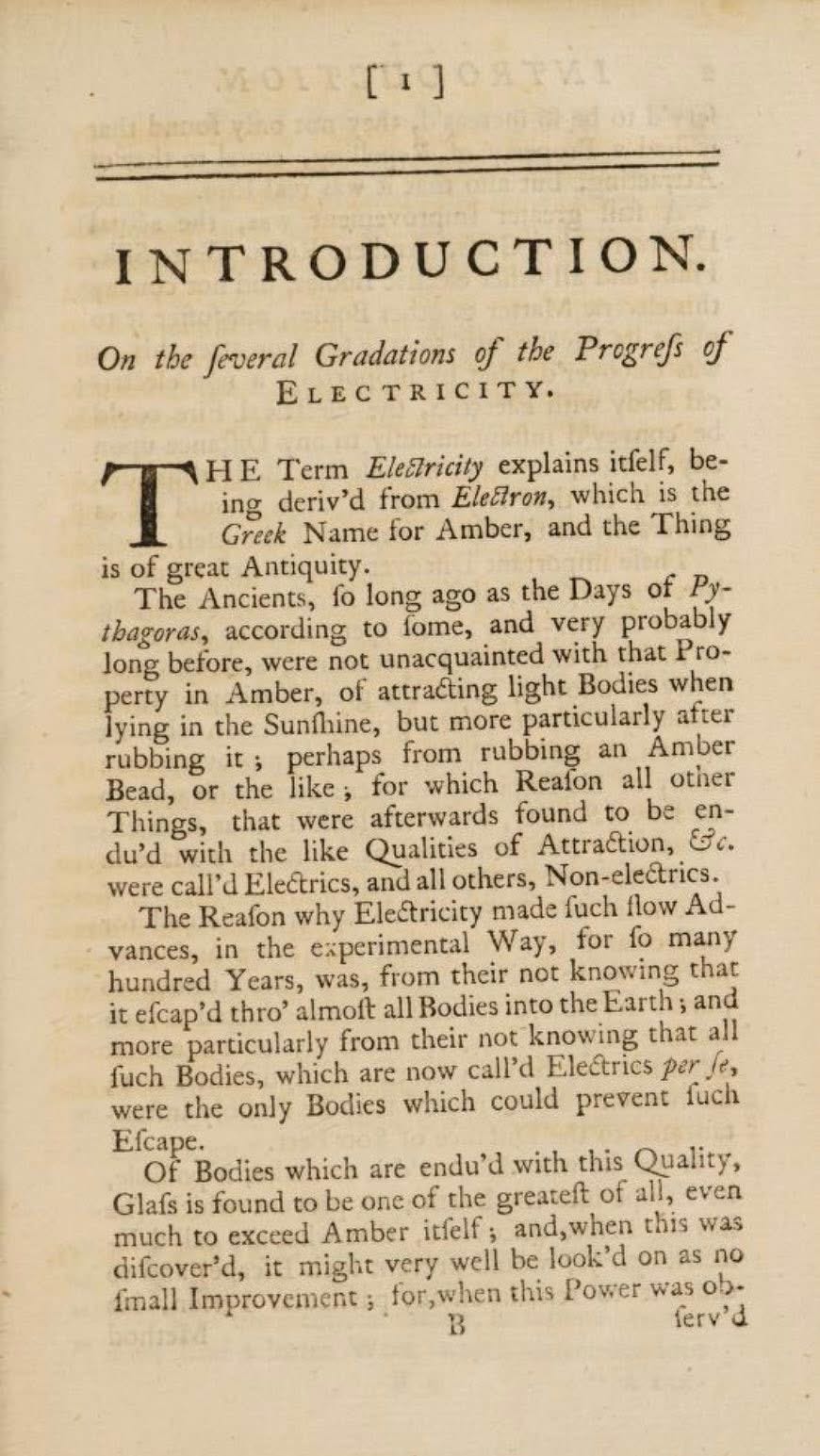
And then comes Electricity, the force that leaps, crackles, and binds matter invisibly. In the 17th century, as described in R. Lovett’s “The Subtle Medium Prov’d”, electricity was recognised as a subtle, universal medium connecting and influencing all matter. Observations of lightning, amber attracting straw, and delicate currents passing through metals were understood as tangible signs of this invisible energy.
Love ancient wisdom!!! Lets remember we got it 🙌
Why did the Bible refer to the Three Magi…